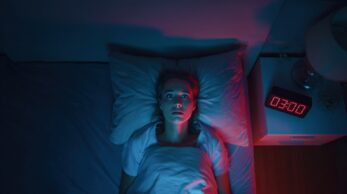
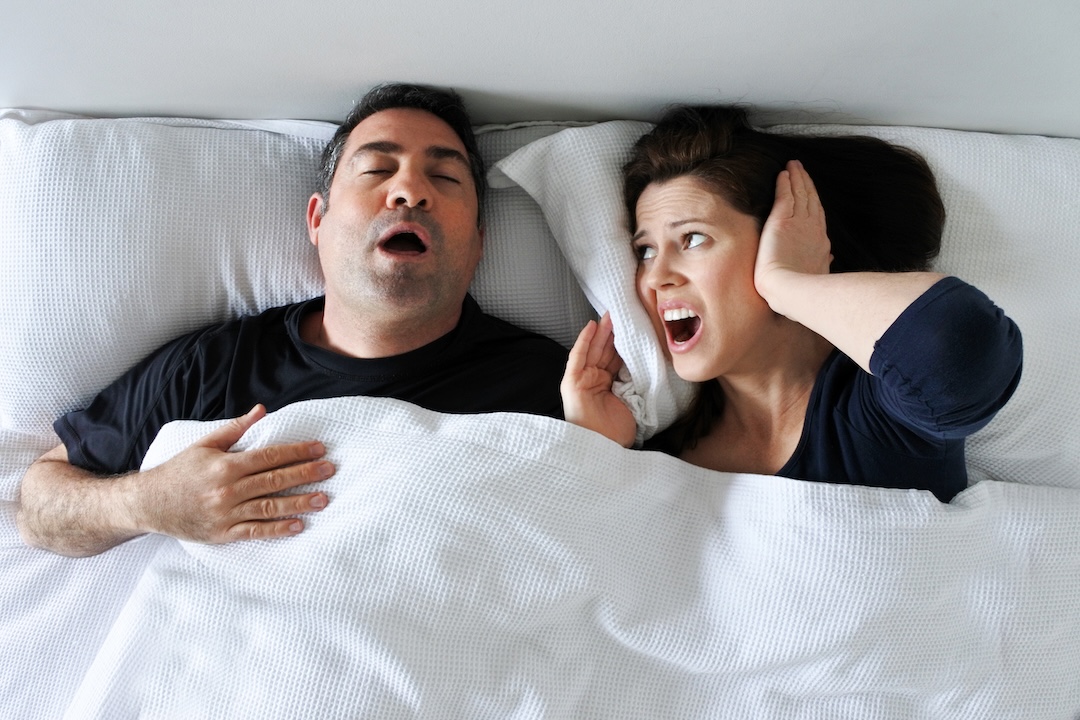
Sleep apnea is often missed because many of its symptoms do not look dramatic on their own. You might not think much of being tired, waking up with a dry mouth, or needing more coffee than you used to. But when these symptoms show up together, they can point to a breathing issue worth looking into.
Most people think sleep apnea is obvious. Loud snoring, long pauses in breathing, someone nudging you in the middle of the night.
The reality is much less dramatic.
For many people, sleep apnea looks more like:
“I am just tired all the time and I do not know why.”
Let’s walk through the signs that are commonly missed.
Sleep apnea symptom checklist
During sleep (what others may notice)
You may not be aware of these yourself, but they are important clues:
- Loud or frequent snoring
- Breathing that starts and stops during sleep
- Gasping, choking, or snorting sounds
- Restless sleep or frequent position changes
- Noticeable pauses in breathing (often reported by a partner)
If someone else has ever told you “you stop breathing sometimes,” that is not a casual comment. That is a strong reason to look further.
Morning symptoms (what you feel when you wake up)
These are often brushed off as “normal” but are actually very telling:
- Waking up feeling unrefreshed
- Dry mouth or sore throat in the morning
- Morning headaches
- Feeling groggy even after a full night’s sleep
- Needing a long time to feel “awake”
If your alarm clock feels like it is interrupting a recovery process instead of ending a restful night, that is worth noting.
Daytime symptoms (what affects your life)
This is where sleep apnea often shows up most clearly:
- Persistent daytime fatigue
- Difficulty concentrating or staying focused
- Feeling sleepy during quiet activities
- Relying heavily on caffeine to function
- Reduced productivity or mental sharpness
Many people normalize this for years. They assume it is stress, age, or just being busy. Sometimes it is. But sometimes it is your sleep quietly not doing its job.
Why these symptoms are easy to miss
Sleep apnea does not always announce itself clearly.
Instead, it creates a pattern of broken sleep that you may not remember, which leads to:
- reduced deep sleep
- repeated micro-awakenings
- lower oxygen levels during the night
- ongoing daytime fatigue
So you can technically “sleep through the night” and still wake up feeling like you did not actually rest.
When it is time to look into it
It may be worth a sleep assessment if you recognize several of the symptoms above, especially if:
- fatigue is persistent and unexplained
- someone has commented on your snoring or breathing
- caffeine is no longer helping much
- you never feel fully rested, no matter how long you sleep
You do not need to have every symptom. Sleep apnea often shows up in clusters, not checkboxes.
The good news
The encouraging part is that sleep apnea is:
- common
- diagnosable
- and very treatable once identified
Many people are surprised by how much better they feel once their sleep is actually working properly again.
Take the next step
If this checklist feels a little too familiar, it may be worth exploring further.
A virtual sleep assessment can help determine whether sleep apnea or another sleep disorder may be contributing to your symptoms, and guide you toward appropriate testing options.
👉 Book a consultation with our sleep care team to get started.