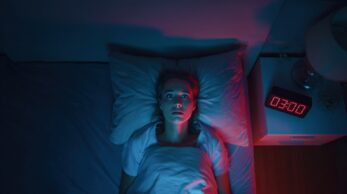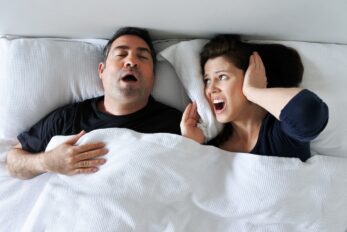
Think sleep apnea always comes with loud, disruptive snoring?
Not necessarily.
While snoring is a common sign of obstructive sleep apnea (OSA), you can have sleep apnea without snoring. In fact, some people with sleep apnea, and the people sleeping beside them, may never notice obvious snoring at all.
If you’re waking up tired despite getting what seems like a full night’s sleep, struggling with daytime fatigue, experiencing morning headaches, or having trouble concentrating, there may be more going on than simply not getting enough sleep.
Let’s take a closer look.
Can you have sleep apnea without snoring?
Yes. You can have obstructive sleep apnea without noticeable snoring.
Snoring happens when air moves through a partially narrowed upper airway and causes surrounding tissues to vibrate. However, not everyone with obstructive sleep apnea produces loud or obvious snoring.
Sleep apnea is fundamentally about repeated interruptions in breathing during sleep, not about how loudly someone snores.
During an obstructive sleep apnea event, the muscles and tissues in the upper airway relax and narrow or block airflow. Your brain may briefly arouse you from sleep so that normal breathing can resume.
These interruptions can happen repeatedly throughout the night—sometimes without you ever being aware of them.
So, if you’re thinking:
“I don’t snore, so I can’t have sleep apnea.”
Think again.
Why doesn’t everyone with sleep apnea snore?
There are several reasons someone with sleep apnea may not be a noticeable snorer.
1. Their airway may narrow without creating loud vibrations
Snoring requires vibration of tissues in the airway. A person’s airway can become significantly narrowed or blocked without producing the characteristic sound associated with snoring.
2. They may sleep alone
If you sleep alone, you may simply have no idea whether you snore.
Many people only discover that they snore after a partner, family member, or roommate mentions it.
3. Snoring may not happen every night
Snoring can vary depending on factors such as sleep position, nasal congestion, alcohol consumption, and how deeply someone is sleeping.
Someone may snore occasionally but not consistently.
4. Other symptoms may be more noticeable
For some people, the biggest clue isn’t snoring at all.
It may be waking up feeling exhausted, struggling to stay awake during the day, experiencing morning headaches, or feeling like their sleep simply isn’t restorative.
What are the signs of sleep apnea besides snoring?
Snoring gets a lot of attention, but it is only one potential sign of sleep apnea.
Other symptoms can include:
- Waking up feeling unrefreshed
- Excessive daytime sleepiness or fatigue
- Morning headaches
- Difficulty concentrating
- Problems with memory
- Irritability or mood changes
- Waking frequently during the night
- Gasping or choking during sleep
- Dry mouth or sore throat in the morning
- Frequent nighttime urination
- Restless or disrupted sleep
You may not experience all of these symptoms—and some people may not recognize their symptoms as being related to sleep.
What does sleep apnea feel like?
This is one reason sleep apnea can be difficult to recognize.
You don’t necessarily “feel” your breathing stop during the night. Your brain can briefly arouse you enough to reopen your airway without fully waking you.
You might simply wake up feeling as though you didn’t sleep well.
You may also notice that you’re:
Tired despite sleeping for 7–9 hours.
Relying heavily on caffeine to get through the day.
Having trouble focusing at work.
Feeling more irritable than usual.
Fighting sleep during quiet activities.
Waking with headaches or a dry mouth.
These symptoms aren’t specific to sleep apnea, but they are worth discussing with a healthcare professional when they persist.
Think your sleep might be affecting your daytime energy?
You don’t have to figure it out on your own. Book a call with our Virtual Care Team to discuss your symptoms and determine the next steps.
Can women have sleep apnea without snoring?
Yes. Women can have obstructive sleep apnea without noticeable snoring.
While snoring and witnessed breathing pauses can be signs of sleep apnea in anyone, women may be more likely to notice or report symptoms such as daytime fatigue, morning headaches, difficulty sleeping, mood changes, or difficulty concentrating.
This can sometimes make sleep apnea harder to recognize, particularly when symptoms are attributed to stress, a busy schedule, hormonal changes, or simply being tired.
That doesn’t mean women with sleep apnea don’t snore. They certainly can. The important point is that the absence of obvious snoring doesn’t rule out sleep apnea.
If you’re experiencing persistent symptoms that are affecting your sleep, energy, or daytime functioning, it’s worth talking with a healthcare professional, even if nobody has ever told you that you snore.
Is snoring the only reason to get tested for sleep apnea?
No.
A sleep apnea assessment shouldn’t be based on snoring alone.
Healthcare professionals may consider a combination of symptoms, medical history, risk factors, and other information when determining whether sleep apnea testing is appropriate.
If you’re consistently tired despite getting enough sleep, or you’re experiencing several symptoms associated with sleep apnea, it’s worth discussing your concerns with a healthcare professional—even if you don’t snore.
How is sleep apnea diagnosed?
The only way to determine whether you have sleep apnea is through appropriate clinical assessment and sleep testing.
Depending on your circumstances, this may involve a home sleep apnea test or an overnight sleep study.
A sleep test can monitor factors such as breathing patterns, oxygen levels, heart rate, and other measurements during sleep.
Importantly, you don’t need to hear yourself stop breathing for a sleep test to identify breathing disruptions.
What should you do if you think you have sleep apnea but don’t snore?
Don’t use the absence of snoring as a reason to dismiss your concerns.
Instead, consider the bigger picture.
Ask yourself:
- Do I regularly wake up feeling tired?
- Do I struggle with daytime sleepiness?
- Do I wake with headaches or a dry mouth?
- Do I have trouble concentrating?
- Do I frequently wake during the night?
- Has someone noticed that I gasp, choke, or stop breathing while sleeping?
- Do I have risk factors associated with sleep apnea?
If several of these sound familiar, talking with a healthcare professional may be a reasonable next step.
Looking beyond Snoring
You can have sleep apnea without snoring.
Snoring is common, but it isn’t a requirement for obstructive sleep apnea. Breathing interruptions during sleep can happen without the loud, recognizable sound many people associate with the condition.
So if you’re constantly tired, your sleep doesn’t feel restorative, or you’re experiencing other symptoms associated with sleep apnea, don’t let the fact that you don’t snore stop you from asking questions.
Good sleep isn’t just about how long you’re in bed. It’s also about what happens while you’re asleep.
If you would like to talk about your sleep, book a call with our Virtual Care Team today.
FAQ’s
Can sleep apnea occur without snoring?
Yes. Although snoring is a common symptom of obstructive sleep apnea, some people with OSA do not snore noticeably.
Can you have sleep apnea if you don’t snore?
Yes. The absence of snoring does not rule out sleep apnea. Other symptoms and risk factors should also be considered.
What are the symptoms of sleep apnea besides snoring?
Symptoms can include daytime fatigue, excessive sleepiness, morning headaches, difficulty concentrating, mood changes, disrupted sleep, dry mouth, and nighttime gasping or choking.
Can women have sleep apnea without snoring?
Yes. Women can have sleep apnea without obvious snoring, and their symptoms may sometimes be less recognizable as sleep apnea.
How do I know if I have sleep apnea if I sleep alone?
You may not be able to identify nighttime breathing interruptions yourself. If you’re experiencing persistent daytime fatigue, unrefreshing sleep, headaches, or other symptoms, speak with a healthcare professional about whether sleep apnea testing may be appropriate.
Do I need to snore to have a sleep apnea test?
No. Snoring is not a requirement for sleep apnea testing. A healthcare professional can help determine whether testing is appropriate based on your symptoms and individual circumstances.
Think You Might Have Sleep Apnea?
You don’t have to be a loud snorer to take your sleep seriously.
If you’re experiencing persistent fatigue, unrefreshing sleep, or other symptoms that concern you, the next step is to talk with a healthcare professional.
Book a call with the Sleep Therapeutics Virtual Care Team to discuss your symptoms and determine the next steps.