
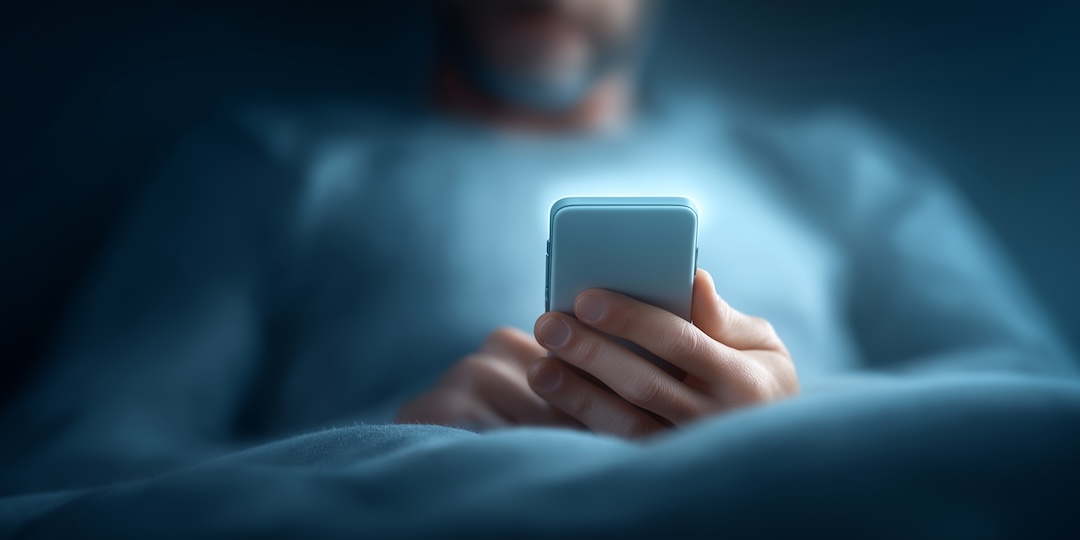
In today’s hyperconnected world, screens—smartphones, tablets, laptops, and even smart TVs—are everywhere. They keep us informed, entertained, and connected, but all that screen time comes at a cost: your sleep. Understanding how technology affects sleep can help you take back your nights.
At Sleep Therapeutics, we know how tricky it is to balance a digital lifestyle with getting truly restful sleep. The good news? With a few simple adjustments and a little planning, you can protect your sleep without giving up the technology you love.
Here’s how screens impact your sleep and some practical strategies (plus a digital detox plan) to help you reclaim your sleep.
1. How Technology Can Affect Your Sleep
Blue Light Throws Your Body Clock Off
Screens emit blue light, which tricks your brain into thinking it’s daytime. This suppresses melatonin—the hormone that tells your body it’s time to sleep. Using devices late at night can make it harder to fall asleep and reduce the quality of your rest.
Notifications Keeping You Awake?
Buzzing phones, app alerts, and late-night emails can wake you or fragment your sleep cycles, leaving you tired even if you technically slept enough hours.
Your Brain Can’t Shut Off
Scrolling through social media, binge-watching shows, or reading on a tablet can keep your brain buzzing when it should be winding down. This mental stimulation delays sleep onset and can prevent the deep, restorative sleep your body needs.
2. Smart Strategies to Limit Screen Time Before Bed
Use Night Mode or Blue Light Filters
Activate your device’s night mode or blue light filter a few hours before bed. It’s a simple switch that tells your brain it’s almost bedtime.
Set a Tech Curfew
Power down screens 60–90 minutes before bed. Swap scrolling for relaxing activities like reading, journaling, or meditation.
Limit Notifications
Mute non-essential alerts or use “Do Not Disturb” mode in the evenings. Protecting your sleep from interruptions pays off in morning energy and focus.
Create a Sleep-Friendly Environment
Keep your bedroom tech-free. Avoid charging devices near your bed and replace screen time with calming activities such as gentle stretches, soothing music, or simply enjoying a quiet moment.
3. Easy Digital Detox Steps for Better Sleep
A digital detox isn’t about giving up technology entirely. It’s about setting boundaries that protect your rest.
Step 1: Identify Problem Areas
Which apps or devices keep you scrolling late at night? Social media? Emails? Streaming shows? Pinpoint the culprits first.
Step 2: Establish Tech-Free Zones
Make your bedroom and bedtime routines device-free. Consider leaving your phone in another room to reduce temptation.
Step 3: Replace Screen Time with Sleep-Promoting Activities
Swap your screen time for reading a book, meditating, or taking a warm bath. Even small shifts can make a big difference in how well you sleep.
Step 4: Gradual Reduction
If a full detox feels extreme, start small. Reduce nightly screen time by 15–30 minutes until you find a routine that works for you.
4. Feeling Stuck? Here’s When to Reach Out for Sleep Support
If you’ve tried these strategies but still struggle to get restful sleep, it might be time for professional guidance. We offer personalized virtual care and at-home sleep testing to help identify challenges and provide solutions tailored to you.
Even in a tech-filled world, restorative sleep is possible.
Ready to reclaim your sleep? Schedule a consultation with us today and take the first step toward feeling truly rested.
Digital Detox Checklist: Take Back Your Sleep
Use this simple checklist to make your evenings more sleep-friendly:
- Activate Night Mode or Blue Light Filters on all devices 1–2 hours before bed
- Set a Tech Curfew – power down screens 60–90 minutes before bedtime
- Mute Notifications or use “Do Not Disturb” mode in the evening
- Create a Tech-Free Bedroom – leave phones, tablets, and laptops out of reach
- Swap Screen Time for Sleep-Friendly Activities like reading, journaling, meditation, or a warm bath
- Gradually Reduce Screen Time – cut 15–30 minutes nightly until you find a routine that works
- Track Your Progress – notice how you feel in the morning; small changes can make a big difference
FAQs
Q: Can using my phone or tablet right before bed really affect my sleep?
A: Absolutely. The blue light from screens tricks your brain into thinking it’s daytime, which can delay sleep onset and reduce sleep quality. Even short bursts of scrolling can make it harder to fall asleep.
Q: How long should a digital detox last?
A: It doesn’t have to be extreme. Start small—reduce 15–30 minutes of screen time each night, then gradually increase your tech-free time. Even 60–90 minutes before bed can make a noticeable difference.
Q: Are there apps that can help me improve sleep instead of hurting it?
A: Yes! Some apps can guide meditation, play calming sounds, or track your sleep patterns. The key is to choose apps that don’t stimulate your brain or keep you scrolling.