
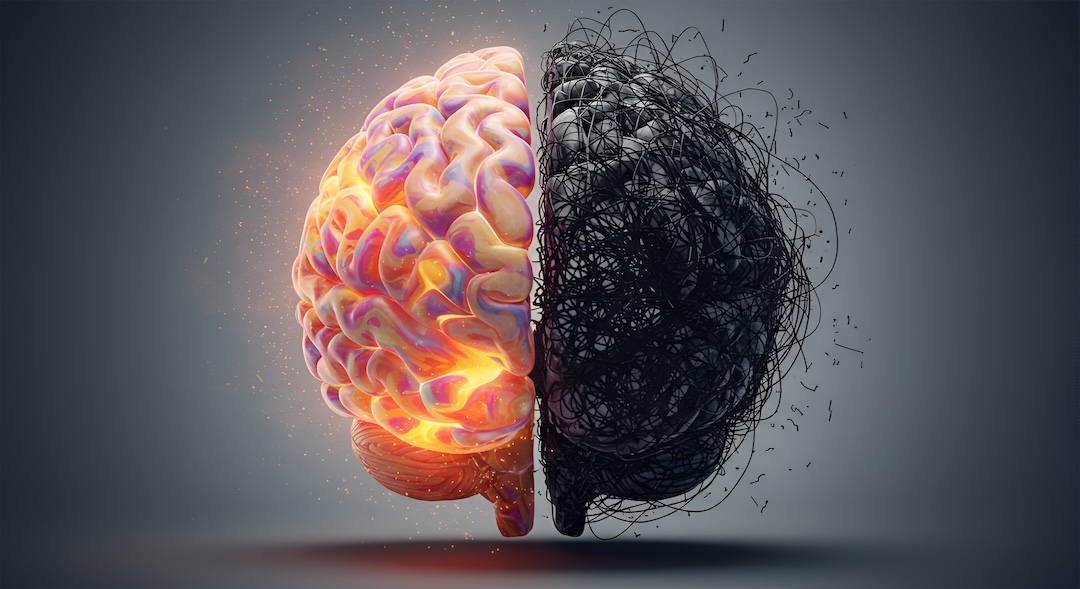
If you’ve ever woken up groggy, foggy, or forgetful, you’ve already experienced the powerful connection between sleep and brain health.
But what many people don’t realize is this:
👉 Sleep doesn’t just help your brain feel better tomorrow.
👉 It helps protect your brain for decades to come.
In fact, quality sleep is now considered one of the most important lifestyle factors for long-term cognitive health — right alongside nutrition and exercise.
And the good news? You can improve your sleep.
What Happens to Your Brain While You Sleep?
Sleep is not “shutdown mode.”
It’s active maintenance mode.
Every night, your brain runs an incredible overnight service program that:
✔ Clears waste and toxins that build up during the day
✔ Organizes memories and learning
✔ Restores mental energy
✔ Regulates mood and stress hormones
✔ Repairs and protects brain cells
Think of sleep as your brain’s nightly cleaning crew, IT department, and repair technician — all working at once.
When sleep is disrupted or too short, that work doesn’t get done properly. Over time, the effects add up.
Your Brain’s Overnight Cleaning System
One of the most fascinating discoveries in neuroscience is that your brain literally flushes out waste while you sleep.
During deep sleep, fluid flows through brain tissue and washes away metabolic byproducts — including proteins linked to cognitive decline.
That’s why organizations like the Alzheimer Society emphasize sleep as a key part of long-term brain health.
But when sleep is poor or fragmented, this cleaning system becomes less effective. Over time, that call allow waste to accumulate.
How Poor Sleep Affects Memory and Focus
Many people assume memory lapses or concentration problems are just stress, aging, or “having too much on their plate.”
Often, it’s sleep.
Even short-term sleep disruption can cause:
- Slower thinking
- Reduced attention
- Poor decision-making
- Emotional reactivity
- Trouble learning new information.
If sleep problems continue for months or years, your brain doesn’t get the restoration it needs to function at its best.
Why Midlife Sleep Is Critical for Brain Health
Sleep often becomes more difficult during midlife — especially during hormonal transitions, increased stress, or health changes.
This stage of life is also when long-term brain health patterns are being set.
Consistently poor sleep in midlife has been linked to increased risk of cognitive decline later.
That doesn’t mean damage is inevitable — but it does mean this is a powerful time to take action.
Better sleep now is an investment in your future brain.
Why You Wake Up Tired Even After Sleeping
“I sleep all night…so why am I still exhausted?”
This is one of the most common things we hear.
The reality is: you can be in bed for 7-8 hours and still not get restorative sleep.
Conditions like sleep apnea, frequent awakenings, or shallow sleep can prevent the brain from reaching the deep stages where repair and cleanup happen.
That means that your brain is missing the most important part of sleep, and most people don’t even realize it.
Not sure if your sleep is truly restorative?
A simple conversation can help you understand what’s happening—and what to do next. 👉 Book a call with our team today
Sleep Is Now a Major Brain Health Conversation
Global health organizations, including the World Sleep Society, are increasingly highlighting sleep as a cornerstone of neurological health.
Why? Because improving sleep is one of the most practical, accessible, and effective ways to support brain function across the lifespan.
Unlike many risk factors, sleep is something you can measure, treat, and improve — often with meaningful results.
Signs Your Sleep May Be Affecting Your Brain
You might benefit from a sleep assessment if you notice:
- Persistent fatigue even after a full night in bed
- Brain fog or forgetfulness
- Difficulty concentrating
- Morning headaches
- Snoring or breathing pauses during sleep
- Mood changes or irritability
- Daytime sleepiness
- Trouble staying asleep
These are not just minor inconveniences. They can be signals that your brain isn’t getting the restoration it needs.
How Better Sleep Supports Brain Function
When sleep improves, people often notice:
✔ Clearer thinking
✔ Better memory
✔ Improved mood
✔ More energy
✔ Sharper focus
✔ Reduced anxiety
✔ Greater mental resilience
And over time, better sleep may help support long-term cognitive health as well.
Want to Know If Your Sleep Is Supporting—or Stressing—Your Brain?
You don’t have to guess.
If you’re experiencing fatigue, brain fog, or poor sleep quality, we can help you understand what’s happening and what can be done about it.
A simple conversation can help determine whether a sleep assessment makes sense — and what your next steps could be.
👉 Book a call with our team today
Let’s find out how well your brain is really sleeping — and how to help it thrive.
Frequently Asked Questions About Sleep and Brain Health
How does sleep affect brain health?
Sleep helps clear toxins, consolidate memory, and restore brain function. Poor sleep can impact both short-term focus and long-term cognitive health.
Can poor sleep cause brain fog?
Yes. Even short-term sleep disruption can lead to slower thinking, poor concentration, and memory issues.
Why do I feel tired after 8 hours of sleep?
You may not be reaching deep, restorative sleep due to conditions like sleep apnea or fragmented sleep.
When should I get a sleep assessment?
If you experience fatigue, snoring, brain fog, or poor sleep quality, a sleep assessment can help identify underlying issues.
👉 Still have questions? Our Virtual Care Team is here to help. Book a call today.